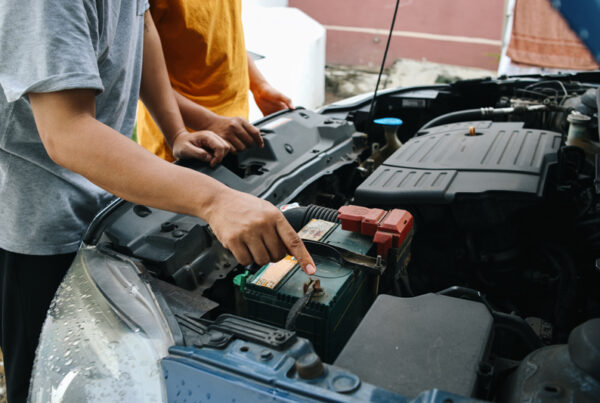
Often, car troubles start with a simple warning light. However, if you’re experiencing a car that is slow to crank over, has dim lights, and is experiencing numerous electronic faults, it could be a battery issue.
Before you rush to replace your car battery, it’s worth getting a professional battery test. This is especially true if a trusted professional with high-quality diagnostic equipment conducts the test.
Willard Batteries, one of South Africa’s most respected battery brands, offers expert diagnostic testing at authorised outlets to help you understand your battery’s health and avoid unnecessary replacements.
Why You Should Get a Battery Test
It might seem unnecessary to perform a battery diagnostic test, but it will answer key questions:
- Is your battery still good?
- Is your charging system working correctly?
- And is there an underlying electrical issue?
When Should You Get a Battery Test
For some drivers, it may not be immediately apparent when to schedule a battery test. After all, a battery test isn’t only for emergencies; it’s a great way to prevent more problems in the future.
You should consider booking a professional battery test if:
- You’ve had to jump-start your car
- If you can’t remember how old your car’s battery is
- Before long-distance road trips
- When you notice sluggish starts or dimming lights
- And before winter or seasonal changes in weather
How to Prepare For a Battery Test
While there isn’t a lot for a car owner to do to prepare for a battery test, here are a few simple tasks you can do to make the process smoother:
- Ensure the vehicle is accessible (if the technician is testing it remotely) with sufficient fuel
- Bring any relevant service or maintenance records (i.e. receipts for the last battery purchase)
- Lastly, please inform the technician if the vehicle was recently jump-started.
What Happens During a Willard Diagnostic Battery Test?
When taking your car in for a battery diagnostic test, you can expect the following to happen:
1. Visual Inspection
The first step your battery technician will take is a visual check of the unit and its surrounding components.
When visually looking at the components, they will be checking for corrosion on terminals, whether the cables and connections are solid, and lastly, whether there is any physical damage or if the unit has swelled.
2. Battery Voltage Test
Using a voltmeter, your battery technician’s next step is to check the unit’s voltage at rest or state of charge.
A fully charged battery should read above 12.7 volts when the car is off.
3. Load Testing / Cold Cranking Amps (CCA) Test
Your car’s battery is consistently being subjected to load stress. Every time your car springs to life, the car’s battery needs to push a lot of amps into the system.
To simulate this load stress, you need to use a specialist machine to assess its performance under stress. This machine is typically referred to as a battery load tester.
4. State of Health test/Cranking health
A battery state of health test does much more than simply identify a battery’s state of charge through a voltage measurement. It goes one or more levels deeper to get the truest representation of a battery’s health.
The most basic test technology available is conductance technology. This technology is found in many conductance testers from suppliers like Midtronics and DHC. This technology is intended to test a battery’s ability to turn over an engine, firing it up so the car can run and drive.
Conductance technology places a micro load on the battery for a very short period – only a few seconds. The voltage response is measured. This conductance measurement correlates to the battery’s cold cranking amperage, which is critical for starting an internal combustion engine.
5. Starter and Alternator Test
Your battery isn’t the only component being tested. The technician may also inspect your car’s starter motor to see how much power it’s drawing during ignition.
Another critical component that technicians will test is the car’s alternator. The technician will also check if the alternator is recharging the battery properly.
The technicians are testing these components for these reasons:
- The starter motor to measure how much power it draws during ignition.
- And the alternator to confirm it’s charging the battery properly. A faulty alternator can mimic the symptoms of a battery failure.
6. Diagnostic Report and Recommendations
Once the tests are complete, you’ll receive a full diagnostic report. It may include:
- Battery condition: Pass, Charge & Retest, or Replace
- Voltage and CCA readings
- Charging system health
The technician will then recommend whether your battery needs charging, maintenance, or replacement.
How Long Does It Take?
A typical Willard diagnostic battery test takes 10 to 15 minutes. It’s quick, non-invasive, and often free at many Willard Battery Xpress and authorised fitment centres.