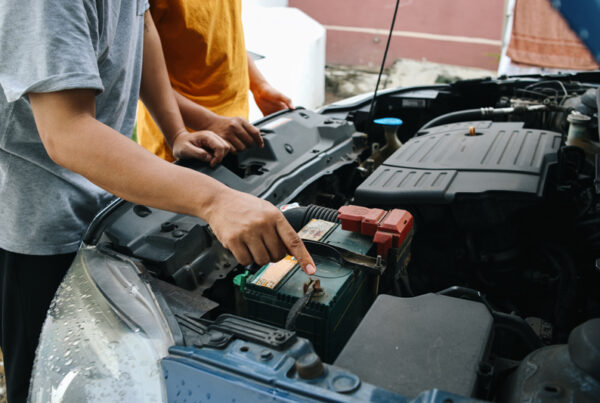
When your car battery reaches the end of its life, you’re left asking an important question: what actually happens to it?
This isn’t a minor issue in South Africa, where millions of vehicles are on the road and battery replacements are a regular part of ownership.
According to the Road Traffic Management Corporation (RTMC) “State of Road Safety Report”, in December 2022, the “number of registered vehicles” stood at 12,964,430, or close to 13 million.
Some local drivers might wonder if there’s anything shady behind the scenes regarding car battery disposal.
The truth?
No, South Africa has one of the world’s most robust battery recycling ecosystems.
The Journey of an Old Car Battery
When you’re busy replacing your vehicle’s battery, or are taking your dead battery back to a fitment centre, dealership, or battery specialist, it’s not simply tossed away.
You’ll be pleased to know, it enters a structured recycling process that’s designed to be safe and environmentally responsible:
Collection and Buy-Back Deposits
South Africa operates on a deposit-based system. When you buy a new car battery, you pay a refundable deposit.
When you return your old battery, you get that deposit back. This ensures batteries don’t pile up in garages or end up in landfills.
Transport to Recycling Facilities
Collected batteries are sent to licensed recycling plants, many of which comply with international ISO and IATF environmental standards.
These facilities specialise in breaking down the battery safely. Breaking down your old battery is done in several steps:
Step 1: Separating Materials
The plastic casing is separated, washed, and recycled into new battery casings or other plastic products.
Step 2: Neutralise
The sulfuric acid is neutralised and converted into harmless substances like water or sodium sulfate, which can even be used in detergents.
Step 3: Meltdown
The lead components, the heaviest and most valuable part of an older battery, are melted down and reused in new batteries.
While South Africa is blessed with many minerals, lead is not among them. However, we are largely self-sufficient due to our country’s strong closed-loop recycling system for lead-acid batteries.
Also, over 90–95% of the lead in old car batteries is recoverable. South Africa’s battery industry relies heavily on recycling to reclaim this lead, which is reused in new batteries.
What’s the Truth About Battery Recycling?
It’s natural to wonder if something shady happens along the way of either:
- Illegal dumping,
- Unsafe disposal,
- Or corner-cutting practices.
But the honest truth is that there is nothing shady about our country’s recycling battery industry.
After all, lead-acid car batteries contain toxic materials, including lead and acid, which can severely harm the environment if not handled properly.
By ensuring that nearly 95% of every old battery is recycled, South Africa reduces pollution, conserves natural resources, and supports a circular economy.
How can you ensure you play your part to keep our local battery economy moving?
How Drivers Can Play Their Part
There are several easy methods to ensure you, as a regular South African driver, can play your part to keep our battery recycling program going:
- Always return your old battery. Don’t stash it in your garage or toss it into general waste.
- Choose reputable suppliers. Look for battery fitment centres and brands in official recycling schemes.
- Understand your deposit. It’s there to motivate responsible disposal; take advantage of it.
Thanks to regulated recycling programs, environmental safeguards, and deposit incentives, the system ensures your old battery doesn’t go to waste.
If it’s time to place your vehicle’s battery into this well-oiled recycling machine, you can visit your closest Willard Xpress outlet.